
Creating a home office that feels both cozy and inviting can make a big difference in your daily work life. Whether you’re working full-time from home or need a dedicated spot for occasional tasks, a well-designed space can boost productivity and well-being. Here are some helpful tips to transform your work area into a warm, comfortable, and efficient environment.
Choose the Right Location
The first step is picking the ideal spot for your home office.
– Natural light: If possible, position your desk near a window. Natural light reduces eye strain and improves mood.
– Quiet area: Select a corner or room away from the main traffic in your home to minimize distractions.
– Space needs: Make sure there’s enough room for your desk, chair, and any equipment without feeling cramped.
Invest in Comfortable Furniture
Your furniture affects both comfort and posture.
– Ergonomic chair: A good chair with lumbar support encourages proper posture and reduces back pain.
– Desk size: Choose a desk that fits your work essentials but doesn’t overcrowd the space.
– Flexible options: If space is limited, consider foldable desks or adjustable workstations that can adapt to your needs.
Use Warm and Soothing Colors
Colors play a big role in setting the mood and energy of a room.
– Soft hues: Shades like warm beige, light gray, pastels, or soft greens create a calm atmosphere.
– Accent colors: Add pops of color with accessories such as cushions, artwork, or a colorful rug to keep the space lively without overwhelming.
– Avoid harsh tones: Bright, overly saturated colors can be distracting.
Add Personal Touches
Making the space your own helps create a cozy feeling.
– Photos and artwork: Display family photos, inspiring quotes, or favorite art pieces that bring joy.
– Plants: Greenery adds life and promotes better air quality. Choose low-maintenance plants if you don’t have a green thumb.
– Textiles: Soft blankets, cushions, or a cozy rug add warmth and texture to the space.
Optimize Lighting
Good lighting is essential for both comfort and productivity.
– Layered lighting: Combine natural light with task lighting (like desk lamps) and ambient lighting (overhead or floor lamps).
– Adjustable options: Use dimmers or lamps with adjustable brightness to tailor lighting to different times of day.
– Avoid glare: Position screens and lights to minimize glare and reflection.
Keep It Organized
A clutter-free environment supports focus and reduces stress.
– Storage solutions: Use shelves, filing cabinets, or baskets to store papers and supplies neatly.
– Desk organizers: Keep pens, notebooks, and frequently used items within reach but tidy.
– Cable management: Use clips or cable boxes to keep cords organized and out of the way.
Incorporate Technology Thoughtfully
Technology can enhance your work, but it shouldn’t overwhelm the space.
– Wireless devices: Minimize clutter with wireless keyboards, mice, and printers.
– Monitor placement: Keep screens at eye level to reduce neck strain.
– Charging stations: Create a designated spot for charging phones and other devices to keep cords contained.
Create a Relaxation Corner
Taking breaks is important, and having a small space dedicated to relaxation can help.
– Comfortable seating: Add a small armchair or cushion to stretch out and recharge.
– Books or magazines: Keep reading materials that inspire or relax you nearby.
– Soft lighting: A small lamp or string lights can create a calming ambiance.
Maintain Good Air Quality
Fresh air helps keep your mind sharp.
– Ventilate regularly: Open windows or use fans to circulate air when possible.
– Air purifiers: Consider a small air purifier if your home tends to be stuffy.
– Plants: As mentioned earlier, certain plants can improve indoor air quality naturally.
Set Boundaries
Finally, to maintain both productivity and comfort, set clear limits around your workspace.
– Separate work and home: Try to keep work activities and personal life distinct, even if the space overlaps.
– Regular breaks: Schedule times to step away and recharge so you don’t feel overwhelmed.
– End-of-day routine: Clean up your workspace at the end of each day to help signal that work time is done.
—
By thoughtfully considering lighting, furniture, organization, and personal touches, you can craft a home office that feels warm and welcoming. With these tips, your workspace can become a place where you feel comfortable and motivated to tackle tasks, day after day.
Related Posts
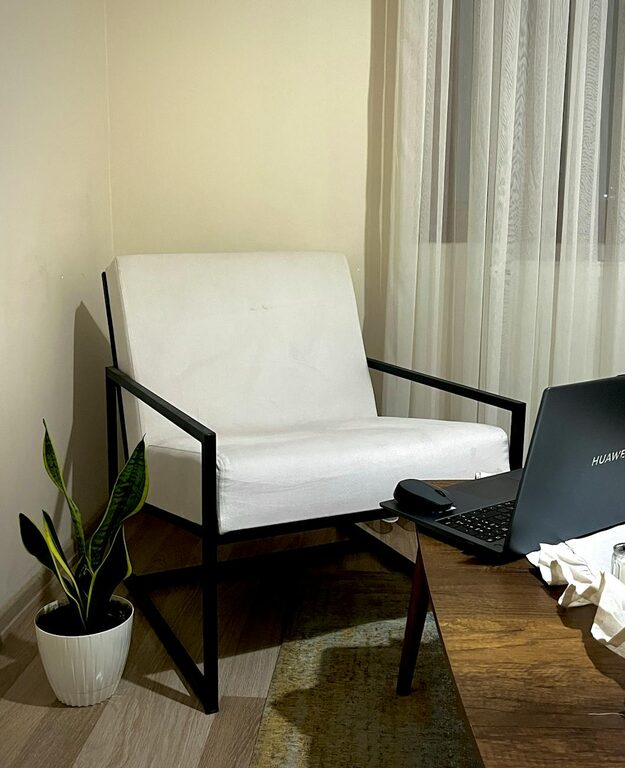
Tips for Creating a Cozy and Inviting Home Office Space
Creating a home office that feels cozy and inviting is…
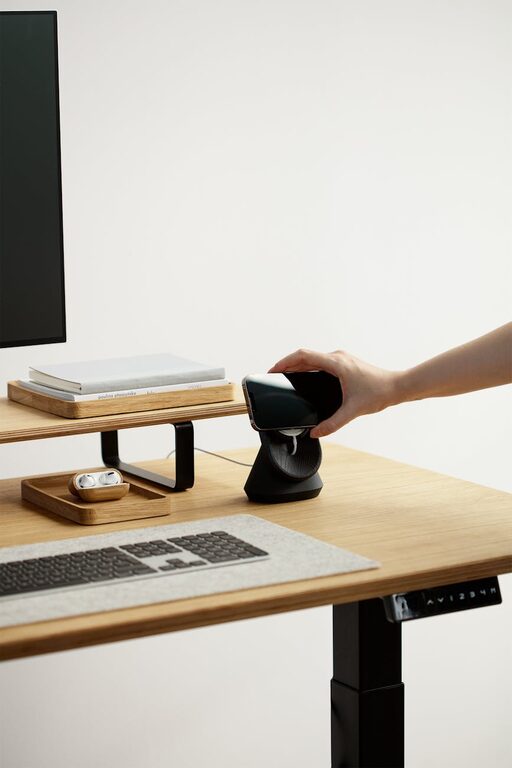
Tips for Creating a Cozy and Productive Home Office Space
Creating a home office that is both cozy and productive…
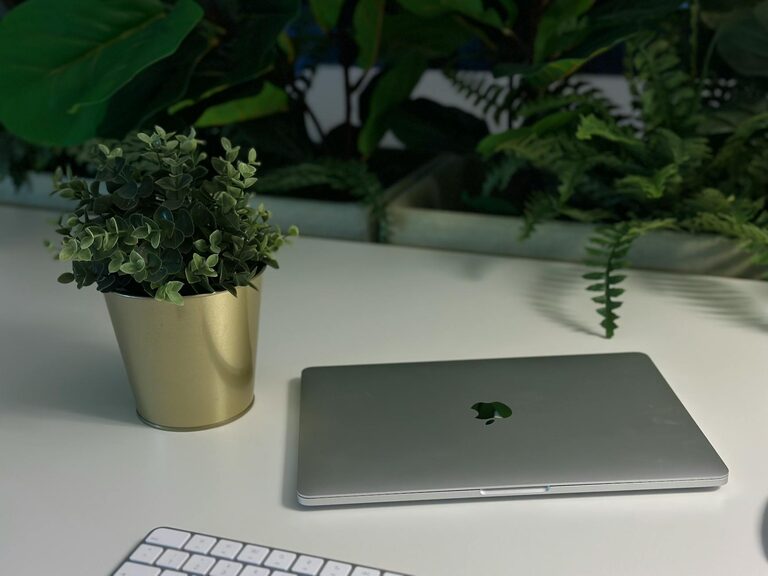
Tips for Creating a Comfortable and Productive Home Workspace
Creating a comfortable and productive home workspace is essential for…