
Creating a home office that is both cozy and productive can greatly improve your work-from-home experience. Whether you’re working full-time from home or need a dedicated space to manage personal projects, having an inviting and efficient workspace is key. Here are practical tips to help you design a home office that supports your productivity while keeping comfort in mind.
1. Choose the Right Location
Finding the ideal spot for your home office is the first step. Consider these factors:
– Natural Light: Position your desk near a window to benefit from natural daylight, which can boost mood and energy.
– Low Traffic Areas: Select a quiet corner or room away from household noise to minimize distractions.
– Space Availability: Ensure there is enough room for your desk, chair, and any equipment you need, with space to move comfortably.
Even if you have limited space, a well-thought-out nook can be transformed into an effective workspace.
2. Invest in Ergonomic Furniture
Comfort is crucial when you spend hours working at a desk. Prioritize:
– Ergonomic Chair: Choose a chair that supports your back and encourages good posture.
– Adjustable Desk: A height-adjustable desk can allow you to alternate between sitting and standing.
– Proper Desk Height: Your desk should enable your arms to rest comfortably at a 90-degree angle when typing.
Supporting your body’s comfort helps prevent fatigue and keeps you focused.
3. Optimize Lighting
Good lighting reduces eye strain and sets the right ambiance:
– Layered Lighting: Combine natural light with overhead lights and task lighting.
– Desk Lamp: Use a focused lamp to brighten your workspace without glare.
– Neutral Light Bulbs: Choose bulbs with a natural white light to create a comfortable environment that keeps you alert.
Adjust lighting according to the time of day and tasks you’re doing.
4. Keep Your Workspace Organized
A clutter-free area helps your mind stay clear and focused:
– Storage Solutions: Use shelves, drawers, or filing cabinets to store papers and supplies.
– Desk Organizers: Keep essential items within reach but neatly arranged.
– Cable Management: Use clips or organizers to prevent tangled cords.
Regularly tidying your workspace prevents distractions and inefficiency.
5. Personalize Your Space
Adding personal touches makes the space welcoming and motivating:
– Artwork and Plants: Decorations like wall art or indoor plants can improve mood and air quality.
– Comfort Items: A soft rug, cozy blanket, or a favorite mug add warmth.
– Colors: Use calming colors like blues or greens, or energizing tones like yellow, depending on what inspires you.
A space that feels inviting encourages longer, more enjoyable work periods.
6. Minimize Distractions
To stay productive, it’s important to reduce interruptions:
– Noise Control: Consider noise-canceling headphones or a white noise machine if household sounds are disruptive.
– Clear Boundaries: Communicate your work hours to family members to limit disturbances.
– Digital Discipline: Limit notifications and schedule regular breaks to prevent burnout.
Setting clear boundaries helps you focus and maintain a healthy work-life balance.
7. Use Functional Technology
Equip your office with the right tools:
– Reliable Internet: A strong, stable connection is essential for online meetings and smooth work.
– Quality Equipment: Invest in a good monitor, keyboard, and mouse to enhance comfort and efficiency.
– Backup Solutions: Use external drives or cloud storage to save important documents securely.
Technical tools tailored to your needs streamline your workflow.
8. Incorporate Movement and Breaks
Avoid sitting for too long by making movement part of your routine:
– Stretching: Take short breaks to stretch or walk around to refresh your body.
– Standing Desk Options: Change positions throughout the day to reduce stiffness.
– Reminders: Use timers to prompt breaks and maintain focus in cycles.
Incorporating movement supports physical well-being and mental clarity.
Final Thoughts
Designing a cozy and productive home office is about balancing comfort, functionality, and personalization. By thoughtfully arranging your space, choosing the right furniture and lighting, and minimizing distractions, you can create an environment that supports your success and well-being. Remember, your workspace should reflect your needs and preferences, making work feel less like a chore and more like a fulfilling part of your day.
Related Posts
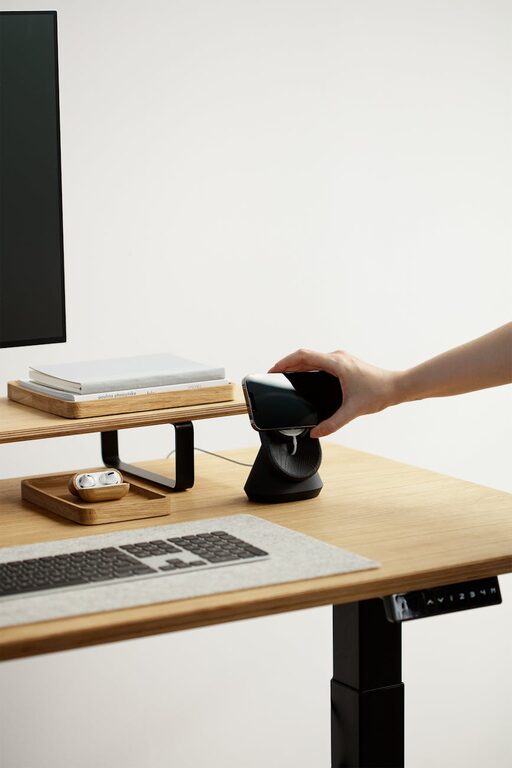
How to Create a Cozy and Productive Home Office Environment
Creating a home office that feels both cozy and productive…

Simple Steps to Create a Cozy and Inviting Reading Nook at Home
Creating a cozy and inviting reading nook at home is…
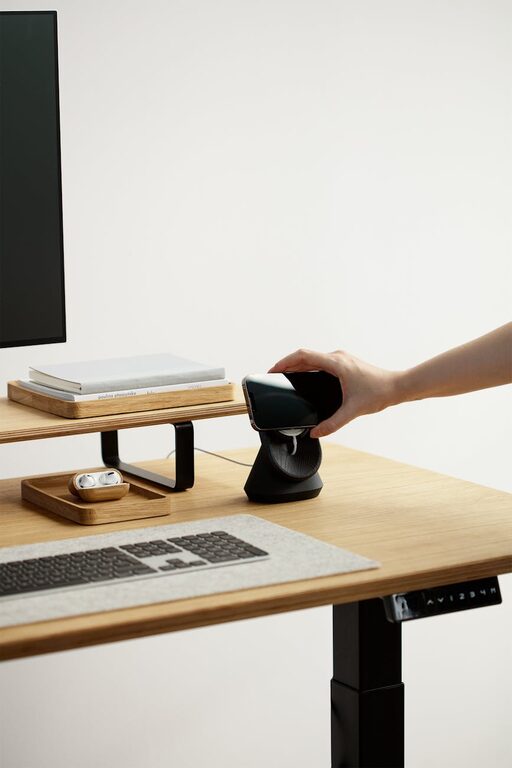
Tips for Creating a Comfortable and Productive Home Office Space
Creating a comfortable and productive home office is essential for…